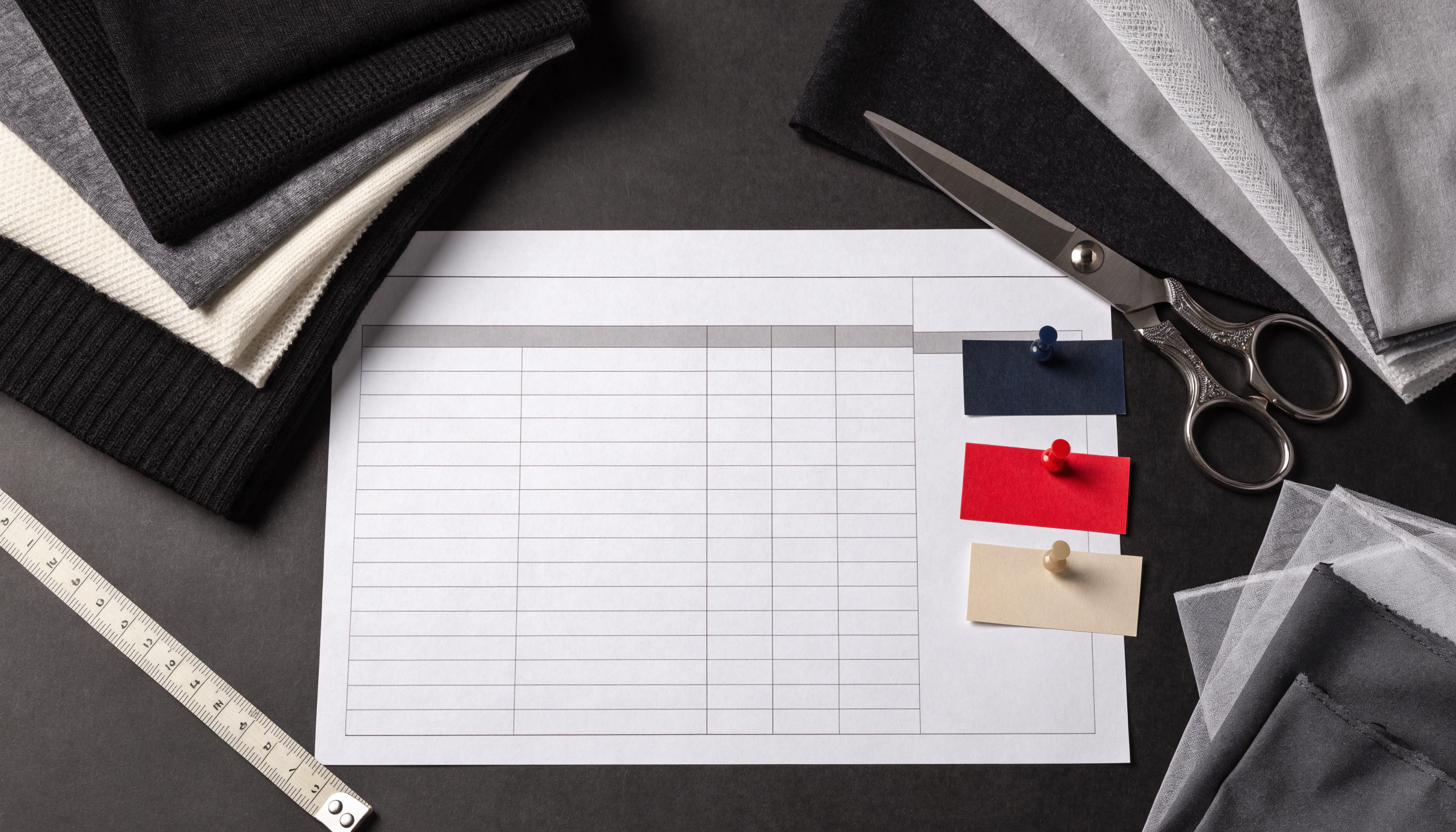
La plupart des problèmes liés aux tissus de vêtements de sport n’apparaissent pas sur la table d’échantillonnage. Ils se révèlent trois semaines après le lancement de la production en série, lorsque le « même » tissu issu d’une commande renouvelée bouloche différemment, ou lorsque des leggings qui avaient donné satisfaction lors des tests en studio deviennent transparents en position accroupie sur le compte Instagram d’une cliente. Choisir un tissu de sport uniquement au toucher est l’habitude la plus coûteuse dans le développement de vêtements de sport — et elle est évitable.
Ce guide explique comment les équipes expérimentées du secteur des vêtements de sport évaluent l’élasticité et la récupération, la gestion de l’humidité, la compression et la ventilation des mailles, puis associent ces propriétés à des types de produits et des gammes de prix spécifiques. Il aborde également les questions précises à poser à un fournisseur avant de s’engager dans une production en série.
Élasticité, récupération et maintien : les fondements du tissu
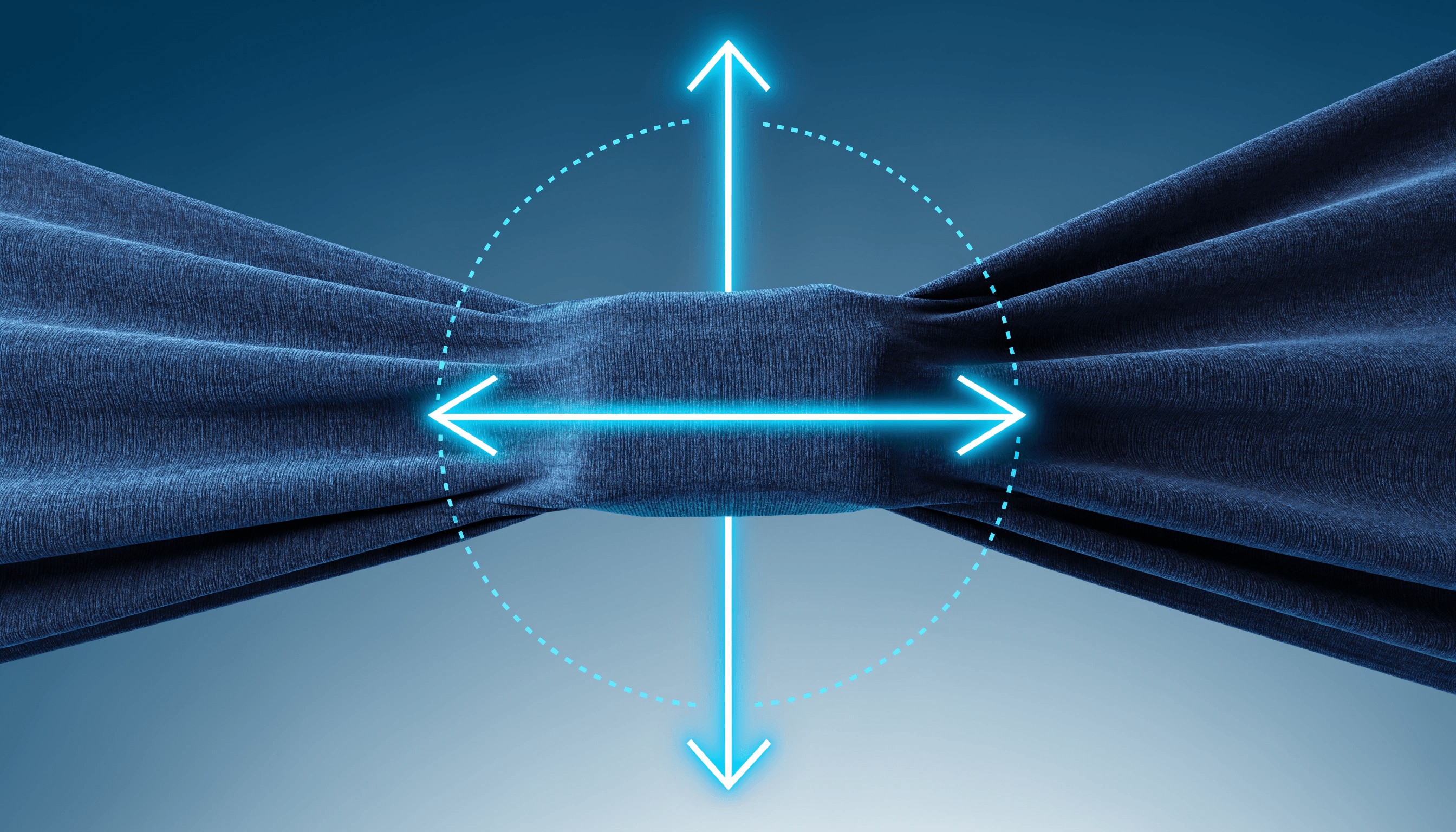
Le pourcentage d’élasticité retient toute l’attention lors des premières discussions de développement. La récupération — c’est-à-dire la capacité d’un tissu à retrouver sa forme d’origine après avoir été étiré — est le critère qui détermine réellement si un legging aura toujours fière allure après vingt utilisations.Les mélanges nylon/élasthanne extensibles dans les quatre sens et les tricots de compression offrent une récupération allant de très bonne à excellente, ce qui explique pourquoi ils dominent le marché des leggings, des soutiens-gorge et des vêtements de sport sculptants. À l’inverse, un jersey extensible dans deux sens s’étire principalement dans le sens de la largeur et ne présente qu’une récupération moyenne — ce qui convient pour un t-shirt de tous les jours, mais constitue un mauvais choix pour tout vêtement moulant ou destiné à une activité à fort impact.
Le niveau de compression obéit à une logique similaire : les mailles à compression légère conviennent aux tenues de yoga et aux soutiens-gorge à maintien souple, la compression moyenne est adaptée aux leggings d’entraînement, tandis que les tissus à haute compression sont réservés aux leggings de performance conçus pour les entraînements intenses. C’est en adaptant le niveau de maintien à l’usage final — plutôt que d’opter par défaut pour « la compression la plus forte possible » — qu’un vêtement reste confortable et non contraignant.
À retenir : demandez les données de récupération ainsi que le pourcentage d’élasticité pour chaque tissu envisagé, et pas seulement pour ceux destinés aux leggings ou aux soutiens-gorge.
Gestion de l’humidité, respirabilité et confort
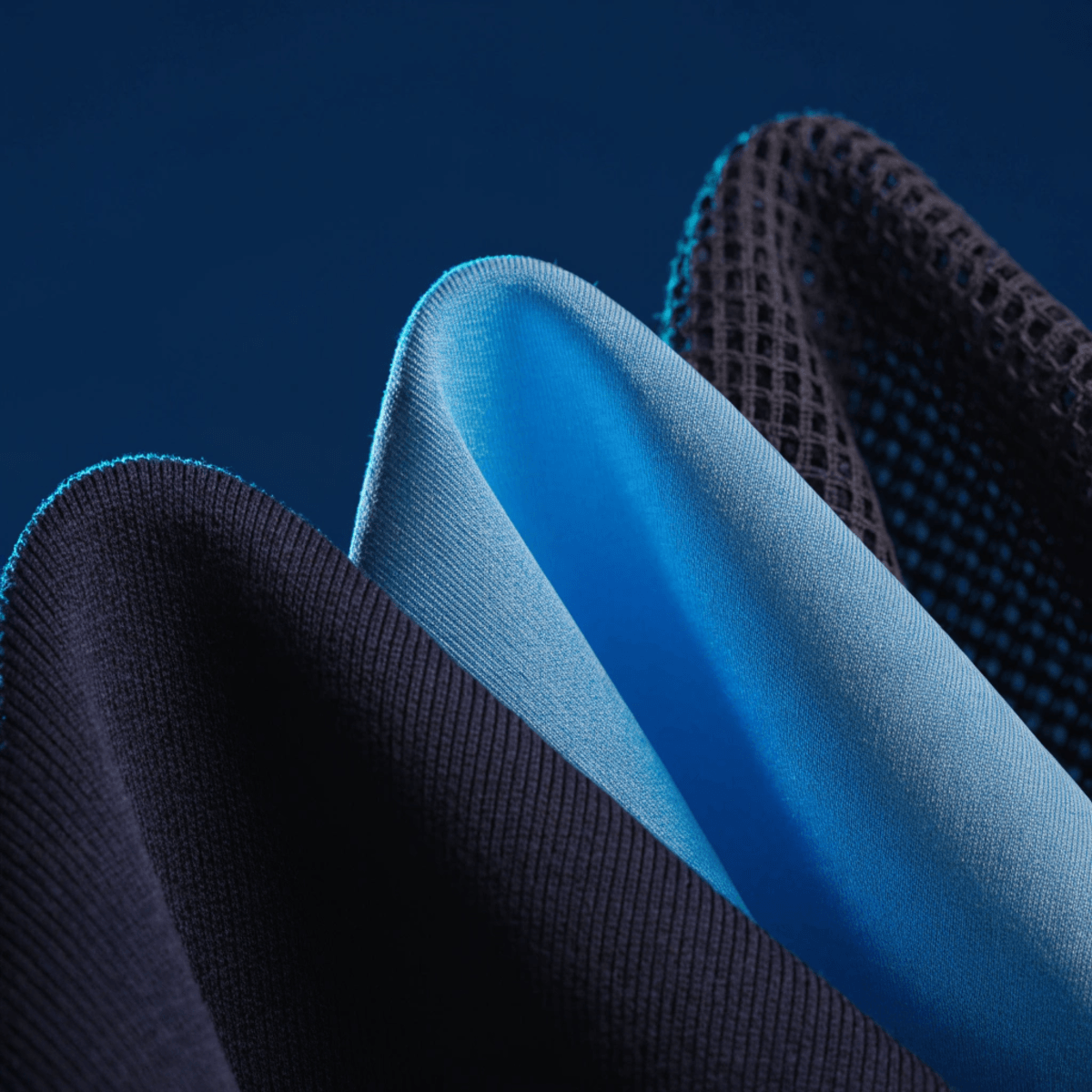
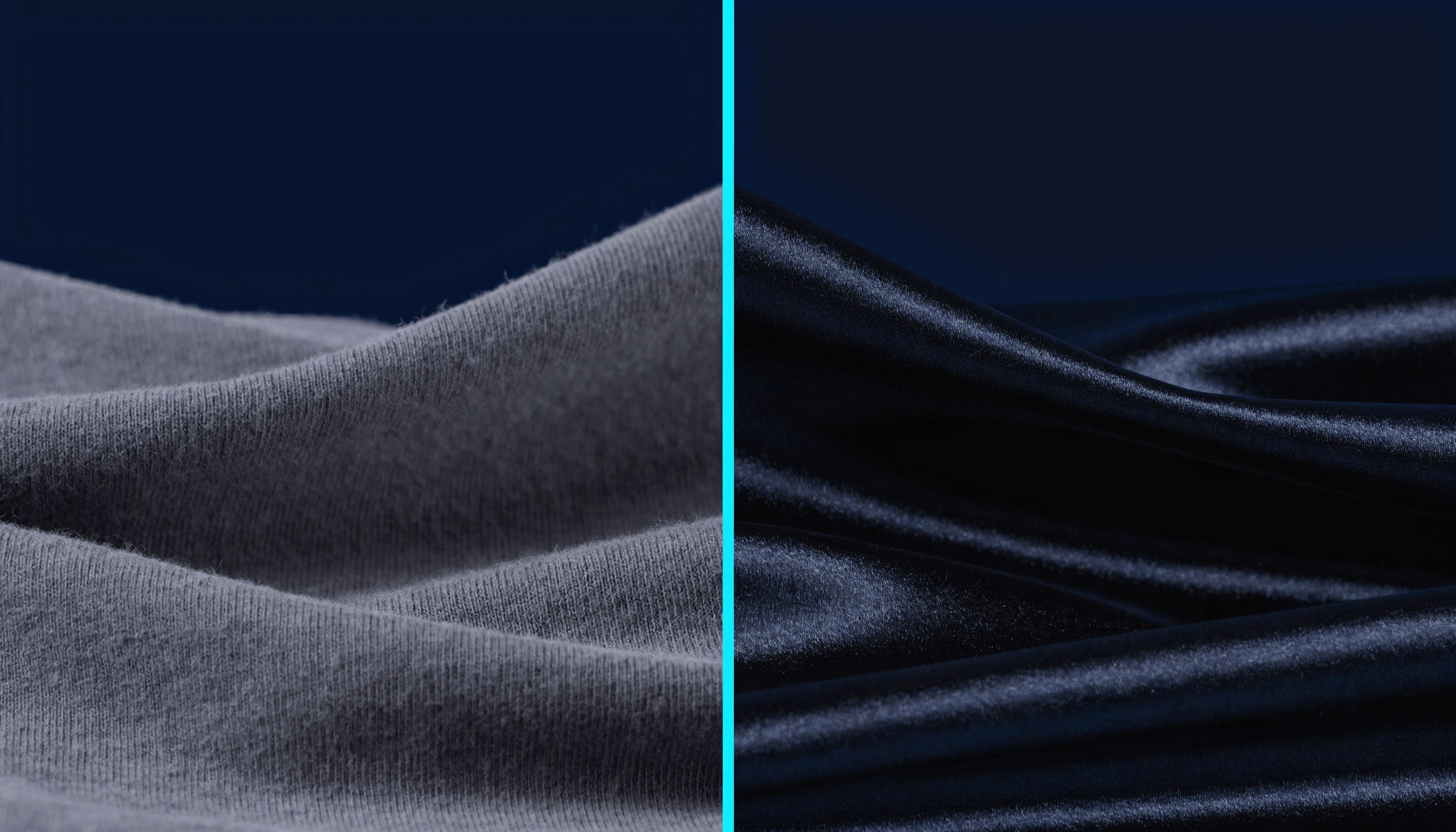
Les tissus évacuant l’humidité figurent parmi les termes les plus recherchés dans le domaine des vêtements de sport, et ce n’est pas un hasard : c’est ce qui fait la différence entre un haut de course que les clients rachètent et celui qu’ils renvoient après leur première séance où ils ont transpiré. Le jersey de polyester léger évacue bien l’humidité et respire bien, mais peut donner une sensation de matière synthétique au contact de la peau. Les mélanges nylon/élasthanne évacuent moins efficacement l’humidité et peuvent retenir la chaleur si le tricot est trop dense. Le power mesh résout presque entièrement le problème de ventilation — au détriment de la couverture —, ce qui explique précisément pourquoi il est utilisé sous forme d’empiècement et non pour confectionner un vêtement entier.Le jersey de coton se situe à l’autre extrémité du spectre : confortable, mais il retient l’humidité, ce qui en fait un tissu adapté aux vêtements de sport de loisir plutôt qu’aux vêtements de performance. La polaire brossée est l’exception : chaude et douce, mais totalement inadaptée à l’entraînement par temps chaud.
Conséquence pratique pour une équipe produit : la respirabilité et la gestion de l’humidité ne sont pas des propriétés fixes de la catégorie « tissu de vêtements de sport » — elles varient considérablement selon la fabrication, et le bon choix dépend du sport pratiqué, et non de la saison seule. Testez l’opacité, les traces de transpiration visibles et le temps de séchage avant de valider un tissu pour la production en série.
Adapter le tissu au type de vêtement de sport et à son utilisation
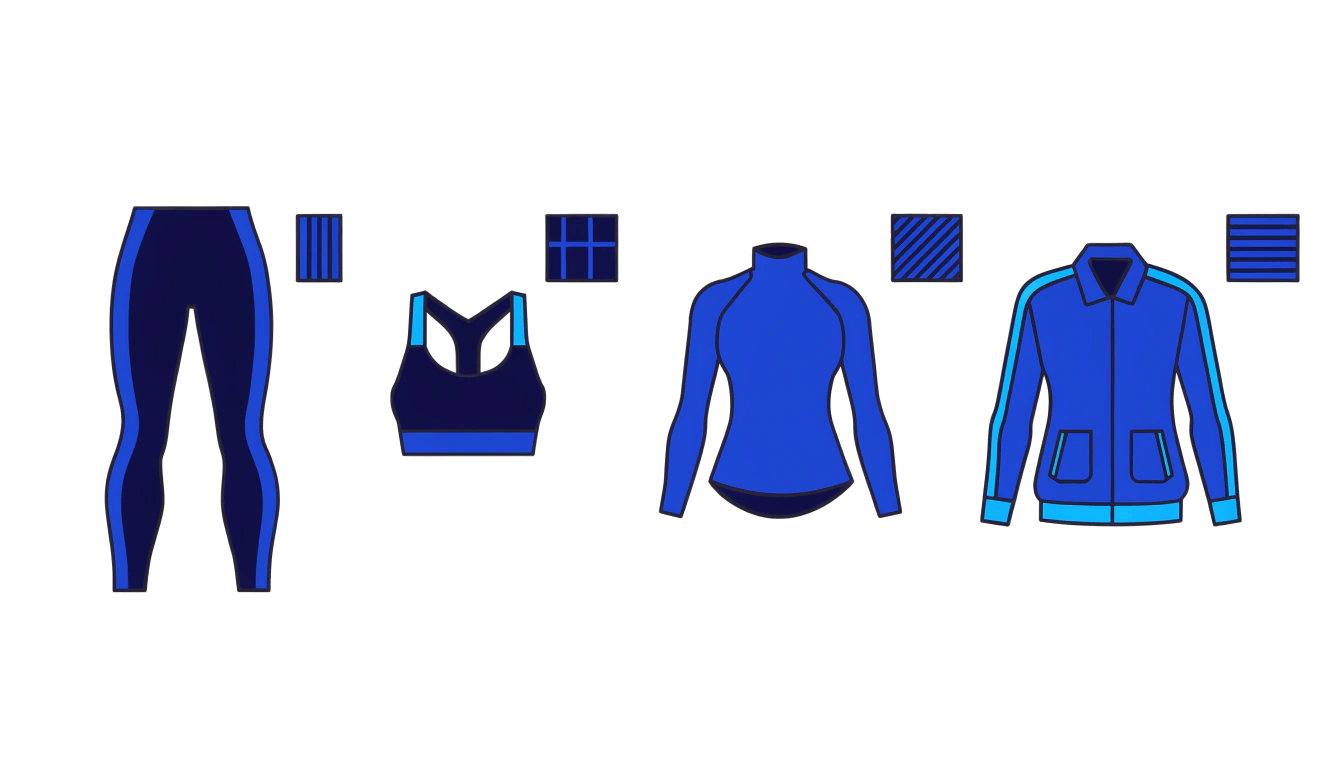
Il n’existe pas de « meilleur » tissu pour vêtements de sport en soi : il existe un tissu optimal pour chaque produit et chaque cas d’utilisation, et c’est lorsque ces deux éléments ne correspondent pas que la plupart des budgets de développement sont gaspillés.Par type de produit
| Produit | Tissu et construction |
|---|
| Leggings | Nylon/élasthanne ou maille de compression avec coutures flatlock et ceinture stable |
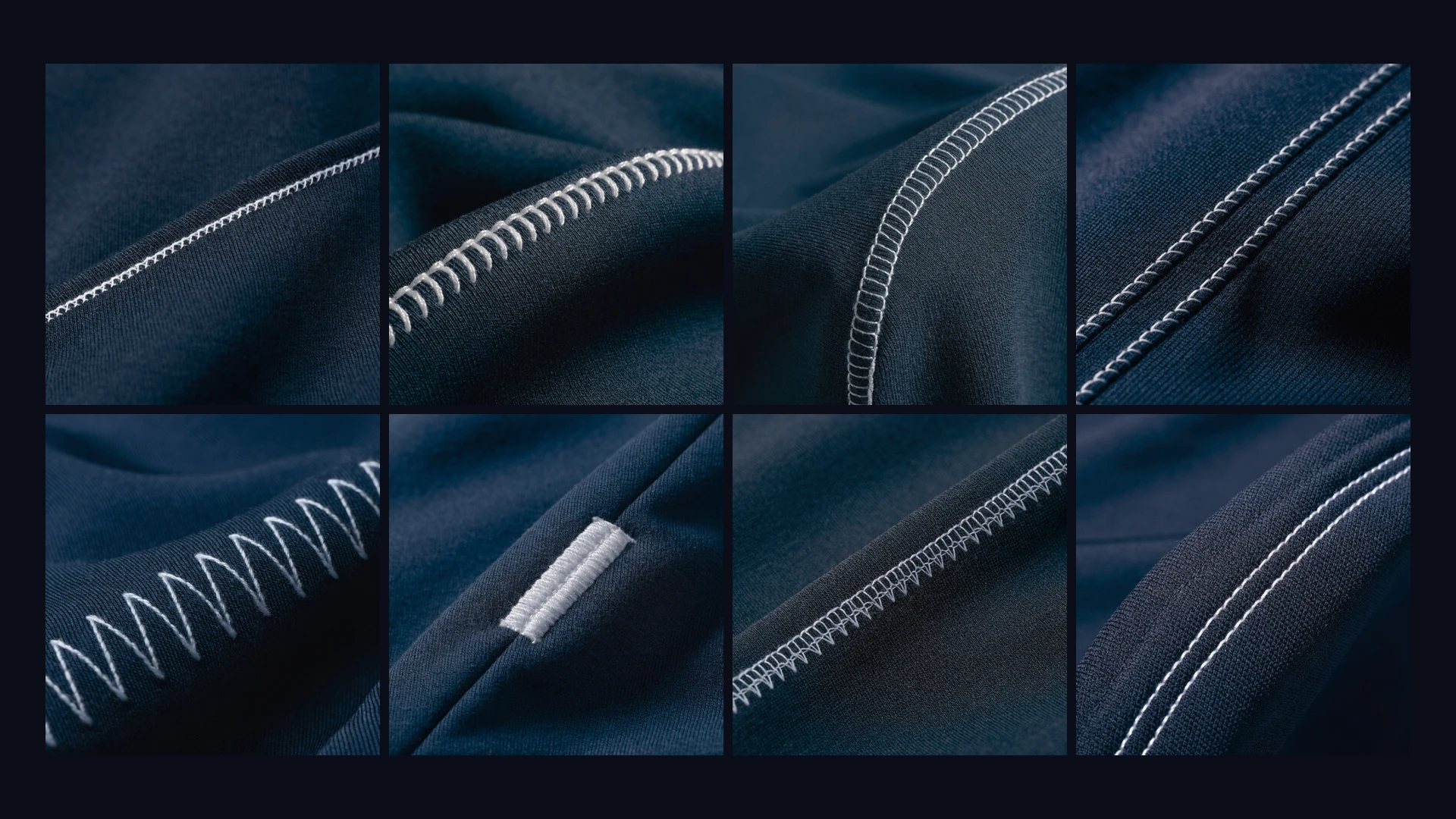
| Brassières de sport | Maille de compression et maille technique avec construction combinant surjet et point de recouvrement |
| Hauts de course | Jersey de polyester léger ou maille avec zones de ventilation dédiées |
| Survêtements et sweats à capuche | Tricot brossé, tissu éponge et bordures côtelées — confort au quotidien plutôt que performances brutes |
Par usage
| Usage | Priorité |
|---|
| Entraînement en salle | Extensibilité moyenne à élevée avec un véritable maintien |
| Course à pied | Respirabilité et séchage rapide plutôt que compression |
| Yoga et pilates | Récupération en douceur plutôt que pourcentage d’extensibilité brut |
| Sports d’équipe | Durabilité et circulation de l’air plutôt que mise en forme |
| Cyclisme | Compression moulante |
| Entraînement en extérieur | Tissus brossés et superposition de couches pour la chaleur |
Un tissu en maille sportive, parfait pour un empiècement latéral de cyclisme, est un choix totalement inadapté pour un maillot de sport d’équipe qui doit résister à une saison de contacts et de lavages.
Tissu économique ou haut de gamme : où va réellement l’argent ?
Un tissu haut de gamme ne garantit pas automatiquement un meilleur produit : il implique simplement un autre ensemble de compromis, et la stratégie la plus judicieuse consiste à investir là où le client ressent réellement la différence.Voici quelques exemples à connaître avant d’aborder la question des coûts : les leggings d’entrée de gamme sont fabriqués en polyester/élasthanne basique avec une opacité moyenne, tandis que les leggings haut de gamme utilisent un mélange nylon/élasthanne très extensible pour une meilleure couverture et une meilleure récupération. Un sweat à capuche d’entrée de gamme en molleton coton/polyester et un sweat haut de gamme en molleton haut de gamme ou en mélange de coton se distinguent principalement par leur douceur et leur longévité, et non par leur fonctionnalité. Une brassière de sport d’entrée de gamme en polyester/élasthanne offre un maintien léger ; les versions haut de gamme intègrent une structure de maintien technique pour une meilleure tenue de la forme.
La tendance se retrouve dans toutes les catégories : un investissement haut de gamme permet d’obtenir une meilleure élasticité, un meilleur séchage ou un meilleur maintien — rarement une famille de tissus complètement différente. C’est en adaptant la qualité du tissu à l’utilisation finale et aux attentes des clients en matière de prix, plutôt qu’en améliorant systématiquement tous les aspects, que l’on préserve la marge sans compromettre le produit.
Les questions à poser aux fournisseurs pour éviter les désastres lors de la production en série
Presque toutes les erreurs coûteuses liées aux tissus de vêtements de sport remontent à une question qui n’a pas été posée avant l’échantillonnage. Avant de valider un tissu ou une garniture, vérifiez : la composition exacte des fibres et le grammage (GSM), les pourcentages d’extensibilité dans les quatre sens et de récupération, la gestion de l’humidité étayée par des données de laboratoire (et non par la simple parole du fournisseur), la solidité des couleurs après lavage, transpiration et exposition à la lumière, le rétrécissement prévu et la résistance au boulochage. Pour les garnitures, vérifiez le pourcentage d’extensibilité de l’élastique, la marque et le modèle de la fermeture éclair, la résistance au lavage des bandes réfléchissantes et le type de fil — les garnitures irritantes et les coutures extensibles fragiles sont deux des erreurs de développement les plus courantes et les plus évitables.
Demandez des échantillons de coupe pour tester le toucher, sollicitez des tests en laboratoire pour vérifier l’uniformité des couleurs, et vérifiez les tolérances en termes de grammage, d’extensibilité et de rétrécissement avant d’intégrer le tissu dans un dossier technique. Les spécifications copiées aveuglément à partir d’un produit concurrent tiennent rarement la route pour un client différent ou une gamme de prix différente — validez-les systématiquement en fonction de votre propre cas d’utilisation.
Des spécifications du tissu au produit fini
Les choix de tissu ne portent leurs fruits que s’ils survivent au passage de la fiche technique à l’atelier de production — et c’est précisément lors de ce passage que la plupart des équipes perdent de vue les détails qui justifiaient au départ le choix du tissu. Le configurateur de produit 3D de Konfiwear permet aux équipes de visualiser l’élasticité, l’opacité et la construction des panneaux en temps réel avant même qu’un seul échantillon ne soit découpé, tandis que le studio de maquettes transforme ces spécifications en fichiers prêts à la production que votre fournisseur peut exploiter sans aucun décalage de traduction. Plus de 500 marques dans plus de 40 pays gèrent déjà le développement de leurs vêtements de sport de cette manière.Si le choix des tissus vous fait perdre du temps en cycles d’échantillonnage, commencez votre essai gratuit de 14 jours — aucune carte bancaire requise et découvrez à quel point le passage des spécifications à l’échantillon est plus rapide lorsque le techpack et la visualisation 3D sont regroupés dans un même fichier.